Presets, Presets, Presets!
Finding Your Personal Style: Why Bipolar Management Is Like a Lightroom Preset
We talk a lot about “finding our style,” whether it’s in the clothes we wear, the way we edit our photos, or how we navigate the world. But when you’re living with bipolar disorder, “style” takes on a different meaning. It isn’t just about aesthetics; it’s about finding a sustainable way to exist.
I’ve realized there’s a massive parallel between the way we use digital presets to find an artistic voice and the way we use clinical frameworks to find personal stability.
The Baseline: The "One-Click" Starting Point
When you first start editing photos, you usually reach for a preset. It’s a shortcut to a “good” result. You apply it because the raw image feels unrefined—maybe even overwhelming.
In the world of bipolar disorder, this is your clinical foundation. It’s the medication, the basic routine, and the advice from doctors. It’s a “clinical preset” designed to keep the colors from becoming too garish (mania) or the exposure from dropping into total darkness (depression). Let me be super candid, the medication changed my life for the better, but it’s not the be-all-and-end-all, you’ve still got to dial in other areas of your life, just like editing your images.
It’s necessary, but it’s just the beginning.

The Trap of the Default Setting
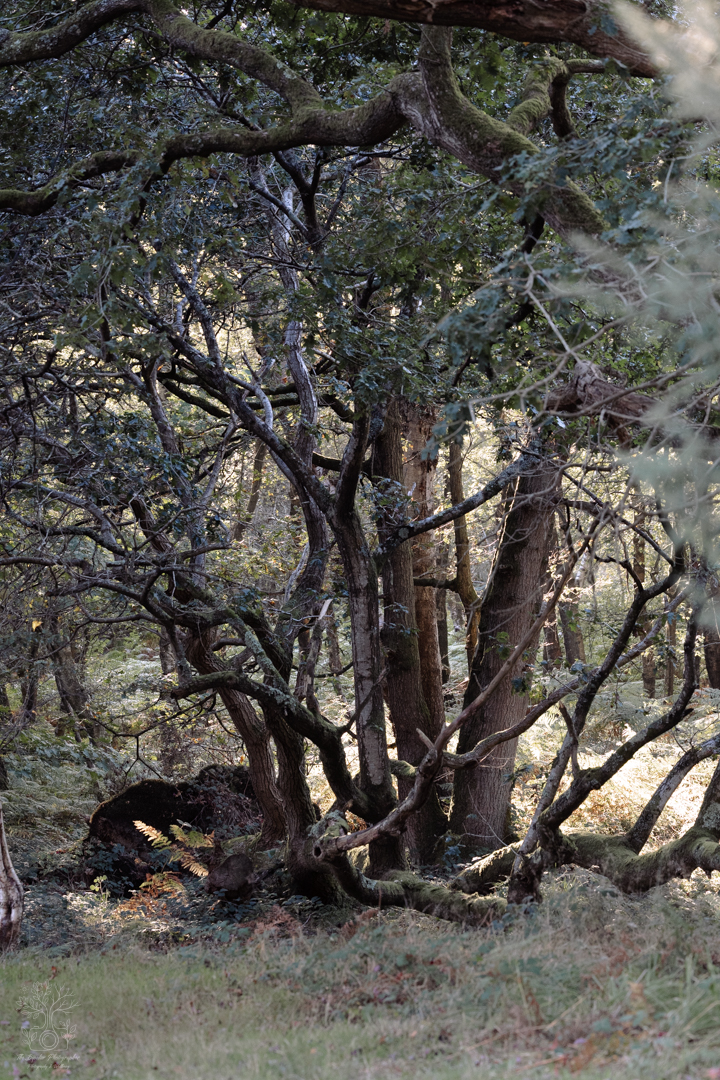
If you apply the same preset to every photo without looking, you get a mess. Some images come out overblown; others have the shadows “crushed” until all detail is lost.
The danger is the same in life. If we rely only on the default settings provided by others, we lose our nuance.
The “Clinical” Trap: Expecting a single strategy to work for every mood.
The “Style” Trap: Letting a filter do the work instead of your own eye.
To truly find your style, you have to move past the one-click solution.
Fine-Tuning: Moving the Sliders
The magic happens when you stop clicking and start sliding. Finding your personal style is the art of deliberate adjustment.
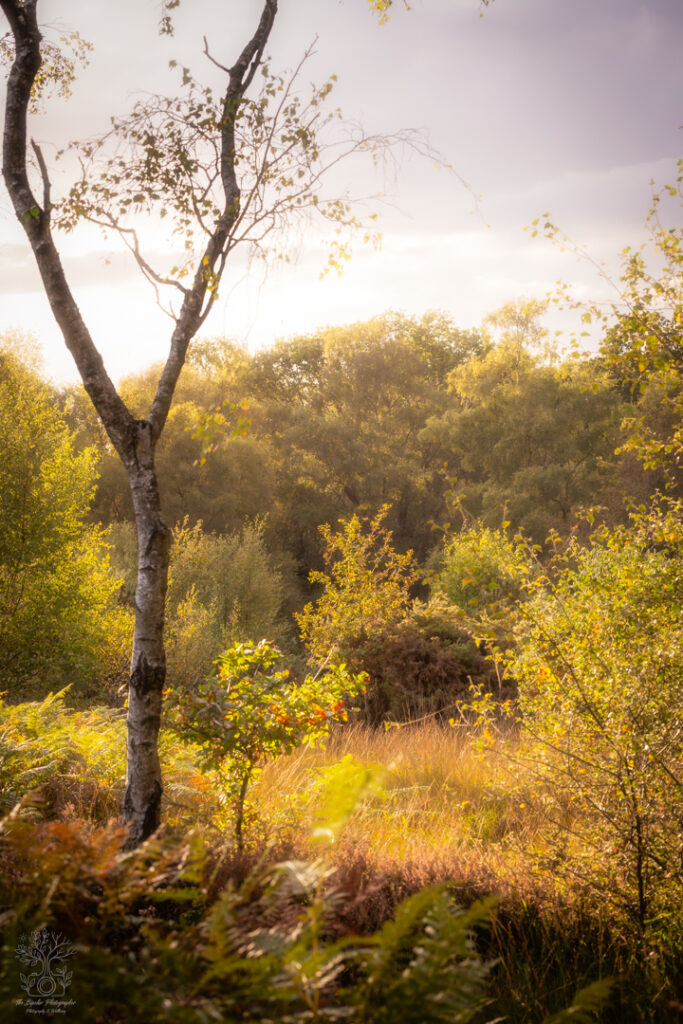
Saturation vs. Vibrance: In photo editing, I might drop the saturation but boost the vibrance. It keeps the “image” of my life lively without letting it get “loud” or manic.
Texture and Shadows: We’re often told to eliminate the “lows.” But in editing, shadows provide depth. The goal isn’t to erase the dark parts of our experience, but to make sure those shadows have texture and detail rather than being a black void of depression.
How to Reverse-Engineer Your "Why"
Eventually, you stop asking what preset to use and start asking why you like a certain look. That’s when your photos (and life) can really take off in my opinion.
Do you like high contrast because you crave intensity?
Do you like soft tones because you need calm?
By understanding the “why” behind your sliders—whether it’s your social rhythm, your work-life balance, or your creative output—you learn to recreate your “style” even when the environment changes.
The Bottom Line: You Are the Editor
A preset is a map, not the territory.
Whether you’re tweaking a photo or managing a mood disorder, the goal is the same: use the tools to bring out the most honest version of yourself. You aren’t forcing your life to fit a “clinical preset”; you are using those tools to find the settings that make you feel most like you.